
"On the 17th"
1000 article(s) found

Indian Plantation A Coffee, known as "very natural nuggets".
India is the first country in Asia to grow coffee, and India's A-grade coffee beans have always been a kind of coffee strongly concerned by coffee lovers all over the world. Its flavor and taste features: uniform particles, rich taste, slippery and delicious. The cultivation of Indian coffee originated from their colonists, the British. As early as the 17th and early 18th centuries, the English were not as addicted to tea as they are now.

A brief introduction to the planting Market Price of Fine Coffee Bean varieties in Mercedes Manor
The city of El Salvador has a large number of 16th-century buildings and religious buildings, many of which are decorated with 17th-and 18th-century carvings and stripes made of colored mud, reflecting the characteristics of the colonial period. Its overall characteristics are described through a forest of monuments and consistent ideas. All this shows that El Salvador is a city with a suitable structure for the colony.

High-quality coffee beans recommend Indian A-grade coffee beans
India is the first country in Asia to grow coffee, and India's A-grade coffee beans have always been a kind of coffee strongly concerned by coffee lovers all over the world. Its flavor and taste features: uniform particles, rich taste, slippery and delicious. The cultivation of Indian coffee originated from their colonists, the British. As early as the 17th and early 18th centuries, the English were not as addicted to tea as they are now.

The coffee producing area of Indonesia.
In the mid-17th century, coffee trees were introduced to Indonesia by the Dutch (some official sources believe that earlier). The first batch of coffee from Java was sold to Amsterdam in 1712. However, coffee trees in all plantations were destroyed by coffee rust in 1877, and Robart coffee trees had to be introduced from Africa to replace the original species. Today, only 6% of the coffee beans and 10% of the coffee beans are Arab.

There is a 24-hour bookstore on the second floor of Qingdao Book City with coffee and dessert WIFI
At 9 p.m. on the 18th, Mingyue Island, the first 24-hour bookstore in Shandong Province, built by Qingdao Xinhua Bookstore, will open for trial operation. Citizens can study here all night for free, and when they are tired, they can have a cup of coffee and dessert. On the morning of the 17th, the reporter's outlying island is located in Mingyue Island, a 24-hour bookstore on the west side of the second floor of the Book City, Central Hong Kong Road. The shop, which covers an area of about 200 square meters, is equipped with bathrooms, bars and books.

Indian plantations, the first country in Asia to grow coffee
India is the first country in Asia to grow coffee, and India's A-grade coffee beans have always been a kind of coffee strongly concerned by coffee lovers all over the world. Its flavor and taste features: uniform particles, rich taste, slippery and delicious. The cultivation of Indian coffee originated from their colonists, the British. As early as the 17th and early 18th centuries, the English were not as addicted to tea as they are now.

Global coffee producing area Indonesian coffee market
In the mid-17th century, coffee trees were introduced to Indonesia by the Dutch (some official sources believe that earlier). The first batch of coffee from Java was sold to Amsterdam in 1712. However, coffee trees in all plantations were destroyed by coffee rust in 1877, and Robart coffee trees had to be introduced from Africa to replace the original species. Today, only 6% of the coffee beans and 10% of the coffee beans are Arab.

Historical Development of Coffee Culture-Historical Development of semi-automatic Coffee Machine
The Historical Development of Coffee Culture-the Historical Development of semi-automatic Coffee machines Europeans first came into contact with coffee around 1515-1519, but were not interested in it for a long time. In 1585, 30 years after the emergence of the cafe in Istanbul, the Vatican's envoy to the area, Morosinny, reported that these people were all humble, tacky and unenterprising.

A list of Colombian Coffee producing areas _ what are the characteristics of Colombian Coffee planting quality
For more information on coffee beans, please follow Coffee Workshop (Wechat official account cafe_style) Colombian Coffee from the Andes No one can specify when it was introduced to Colombia, some think it came along with priests of the Jesuit Church in the 17th century. Colombian coffee has always been regarded as the highest quality in the world.
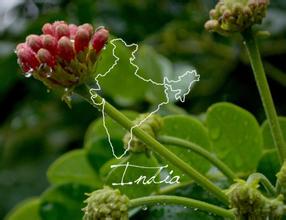
Asian Coffee Manor Coffee production area Coffee Plantation A Coffee beans have rich flavor and taste.
Flavor and taste characteristics: uniform particles, rich taste, slippery and delicious. People who taste Indian coffee for the first time will feel a strong flavor of the sea because Indian coffee beans are dried by the salty sea breeze. The cultivation of Indian coffee originated from their colonists, the British. As early as the 17th and early 18th centuries, the British were not as addicted to tea as they are now.

Mantenin coffee beans have a strong aroma with a hint of herbs and earth.
Following Cafe Review (official Wechat account vdailycom) found that Maple Cafe opened a small shop of its own, Mantenin Coffee beans have a strong flavor and low acidity, with a hint of herbs and earth. Mantenin's leaping acid mixes with the richest aroma, giving you an easy taste of the lively factor in a mild fragrance, and its outstanding taste captivates many suitors. The 17th century
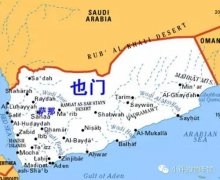
World Coffee Tour (2) the country of Mocha-Yemen
The word mocha first emerged in Europe in the 16th and 17th century, because coffee imported from the Arab world was transported from the port of Mocha in Yemen, so at first people used mocha as a synonym for coffee, so until the invention of the mocha pot in the 20th century, people took it for granted that this kind of coffee brewing apparatus was called mocha pot. As for the difference between Ethiopian mocha and Yemeni mocha

The latest introduction of Java coffee with unique aroma and boutique coffee
Among the Asian coffee-producing countries, Indonesia is a very noteworthy one. Indonesia is an island country in the Indian Ocean, the islands are distributed on both sides of the equatorial line, of which three islands: Java, Sumatra and Sulawesi produce the world's important coffee. In the mid-17th century, the Dutch brought coffee trees to Ceylon (Sri Lanka) and Java, Indonesia. India in the 18th century

Basic knowledge of boutique coffee beans Coffee in Indonesia
In the mid-17th century, coffee trees were introduced to Indonesia by the Dutch (some official sources believe that earlier). The first batch of coffee from Java was sold to Amsterdam in 1712. However, coffee trees in all plantations were destroyed by coffee rust in 1877, and Robart coffee trees had to be introduced from Africa to replace the original species. Today, only 6% of the coffee beans and 10% of the coffee beans are Arab.

German history: substitute coffee
Today, Germany is one of the countries that import the most coffee in the world. More than 1/4 of Vietnam's annual coffee exports are sent to Germany. But when it comes to Germany, we only think of sausages and beer, not coffee. This is because, in the 17th century, when coffee spread across Europe, Germany had few overseas colonies, unlike Britain and France.
The latest cup test of Kenya
Kenya is a neighbor of Ethiopia, but coffee was introduced at the end of the 19th century. Although it has a history of only more than 100 years, Kenyan coffee is now an important representative of the boutique coffee market. Kenyan coffee is graded according to the size of raw beans (sieve), raw beans into a PB, flat beans are mainly AA++,AA+,AA,AB,C,E and other grades. Beans above AA level are used on the 17th.

Grade A coffee beans from India, the first country in Asia to grow coffee.
India is the first country in Asia to grow coffee, and India's A-grade coffee beans have always been a kind of coffee strongly concerned by coffee lovers all over the world. Its flavor and taste features: uniform particles, rich taste, slippery and delicious. The cultivation of Indian coffee originated from their colonists, the British. As early as the 17th and early 18th centuries, the English were not as addicted to tea as they are now.

Introduction to the Source of Coffee Bean theme classroom in Starbucks
Starbucks Coffee Bean introduction the cultivation and production of coffee in the 17th century has always been monopolized by Arabs. At that time, it was mainly used in medicine and religion. Doctors and monks admitted that coffee had the effects of refreshing, awakening, strengthening the stomach, strengthening the body and stopping bleeding. Since the beginning of the 15th century, the use of coffee has been documented and integrated into religious ceremonies during this period. At the same time, it also appeared in the folk as a day.

A brief introduction to the Origin and Development of Fine Coffee beans in Fuyin Manor
Among the Asian coffee-producing countries, Indonesia is a very noteworthy one. Indonesia is an island country in the Indian Ocean, the islands are distributed on both sides of the equatorial line, of which three islands: Java, Sumatra and Sulawesi produce the world's important coffee. In the mid-17th century, the Dutch brought coffee trees to Ceylon (Sri Lanka) and Java, Indonesia. India in the 18th century

Boutique coffee German "substitute coffee"
Today, Germany is one of the countries that import the most coffee in the world. More than 1/4 of Vietnam's annual coffee exports are sent to Germany. But when it comes to Germany, we only think of sausages and beer, not coffee. This is because, in the 17th century, when coffee spread across Europe, Germany had few overseas colonies, unlike Britain and France.